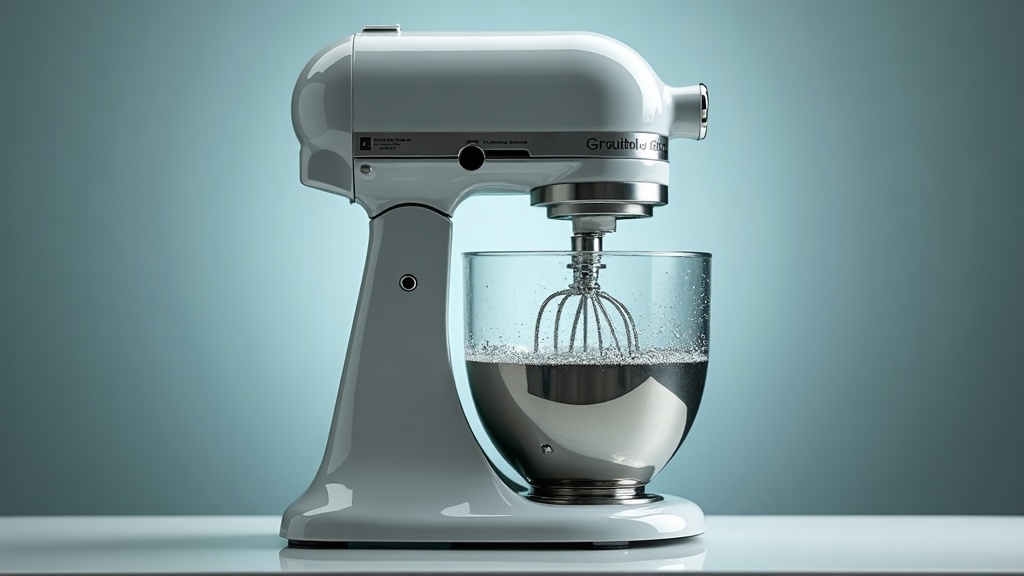
Colloidalgroutmixer Guide for High-Shear Slurry
This detailed colloidalgroutmixer guide covers high-shear mixing principles, rotor-stator mechanics, and optimal water-cement ratios for stable cement slurry.
Table of Contents
- The Mechanics of High-Shear Mixing
- Operational Parameters and Performance
- Applications in Geotechnical and Foundation Work
- Equipment Selection and Maintenance
- What People Are Asking
- Comparing Mixing Technologies
- Practical Tips for Optimal Mixing
- Before You Go
For more about Colloidalgroutmixer guide, see explore colloidalgroutmixer guide in depth.
Key Takeaway
This colloidalgroutmixer guide explains that a colloidal grout mixer is a high-shear mixing device utilizing a rotor-stator mill to disperse cement particles into a stable, low-bleed suspension. It ensures uniform slurry for critical geotechnical applications.
Market Snapshot
- Typical rotor speeds reach 3,000 revolutions per minute to generate sufficient shear for particle dispersion (Colcrete Ltd, 2024)[1].
- High-volume units can output up to 8 cubic meters of grout per hour for continuous injection work (ChemGrout Inc., 2024)[2].
- Equipment commonly supports water-cement ratios as low as 0.4 while maintaining pumpability (Amix Systems, 2024)[3].
- Discharge pressures can reach 800 pounds per square inch to deliver grout to deep injection points (ChemGrout Inc., 2024)[2].
Reading a comprehensive colloidalgroutmixer guide is essential for engineers and contractors working in geotechnical drilling and foundation grouting. Achieving a homogeneous grout requires more than simply combining water and cement; it demands intense mechanical action to properly disperse particles. High-shear mixing technology transforms basic cement slurry into a highly stable suspension, drastically improving grout pumpability and reducing the risk of segregation during placement. This article explores the core mechanics of high-shear mixing, examines critical operational parameters, and compares different mixing approaches. By understanding these principles, professionals can optimize their equipment selection for micropile grouting, post-tensioning, and soil nails. We will also address common questions and provide practical tips to ensure consistent grout quality on every job site.
The Mechanics of High-Shear Mixing
A true colloidal grout mixer uses a high-speed rotor-stator mill to generate a powerful vortex, shearing cement particles down to colloidal size so that the resulting grout forms a stable, low-bleed suspension (Colcrete Ltd Engineering Team, 2024)[1]. Unlike conventional paddle mixers that merely fold ingredients together, this equipment relies on intense mechanical forces to achieve complete particle dispersion. The rapid rotation creates a vacuum that pulls the cement slurry into the mixing chamber, where it is subjected to extreme hydraulic and mechanical shear.
This process breaks down cement hydrates and reduces the average particle size to just a few micrometres, producing a highly uniform mixture (Penndrill Drilling Services, 2024)[4]. According to D.A. Bruce, President of Geosystems, LP, “Colloidal mixers provide intense shear that rapidly disperses cement particles, which is essential to achieve consistent grout quality and to minimise bleed in critical foundation and curtain grouting applications” (Bruce, 2022)[5]. This level of refinement is what gives the grout its exceptional rheology, allowing it to penetrate fine soil fractures and rock fissures that thicker, poorly mixed slurries cannot enter. For professionals seeking a detailed grout mixing equipment tutorial, understanding this vortex action is the foundational step in mastering slurry preparation.
Operational Parameters and Performance
Optimizing the performance of these machines requires strict adherence to specific operational parameters, particularly concerning rotational speed and fluid ratios. The efficiency of the mixing process is directly tied to the tip speed of the rotor. To achieve the necessary shear forces for complete cement particle dispersion, the high-speed rotor typically operates at around 3,000 revolutions per minute (Colcrete Ltd, 2024)[1]. Operating below this threshold can result in incomplete mixing and increased bleed water, while exceeding it may cause excessive heat generation and premature equipment wear.
The water-cement ratio is another critical variable that dictates the final strength and flowability of the grout. High-shear mixers are uniquely capable of handling very stiff mixes, commonly supporting water-cement ratios as low as 0.4 by mass while still producing a pumpable, homogeneous grout (Amix Systems, 2024)[3]. The Amix Systems Technical Team notes, “For high-performance applications such as post-tensioning, micropiles and soil nails, a colloidal grout mixer is preferred because it consistently delivers high-shear, lump-free mixes at controlled water-cement ratios” (Amix Systems Technical Team, 2024)[3]. When following any colloidalgroutmixer guide, operators must carefully calibrate their water metering systems to maintain these tight tolerances, ensuring that the structural integrity of the cured grout is never compromised by excess moisture.
Applications in Geotechnical and Foundation Work
The superior rheology and stability of high-shear mixed slurries make them indispensable for demanding geotechnical and structural foundation projects. In applications like curtain grouting and dam remediation, the grout must travel long distances through narrow injection points without segregating or losing its suspended solids. High shear colloidal mixer technology creates the most stable, uniform grout mix by combining vortex action with high-speed shearing, which improves pumpability and reduces the risk of segregation during placement (Penndrill Drilling Services, 2024)[4]. This stability is crucial when working in deep or resistant ground conditions where the grout is subjected to high friction and pressure.
For large-scale infrastructure projects, the throughput capacity of the mixer becomes a primary concern. A typical high-shear unit in dam or tunnel grouting service may be rated for maximum outputs on the order of 8 cubic meters of grout per hour, supporting continuous high-volume injection work (ChemGrout Inc., 2024)[2]. Furthermore, these systems are often paired with high-pressure pumps capable of delivering mixed grout at pressures up to 800 pounds per square inch (ChemGrout Inc., 2024)[2]. Engineers managing such projects often consult dam safety and grouting technical resources to ensure their mixing and pumping protocols align with federal safety standards. The combination of high throughput and extreme discharge pressure allows contractors to complete deep foundation grouting efficiently and safely.
Equipment Selection and Maintenance
Selecting the right equipment and maintaining it properly ensures long-term reliability and consistent mix quality across diverse construction sites. When reviewing a colloidal grout mixer manual, contractors must evaluate the specific demands of their project, including the required batch size, the abrasiveness of the cementitious materials, and the available power supply on site. Mixers designed for continuous injection differ significantly from batch-mixing setups, and choosing the wrong configuration can lead to severe bottlenecks during critical pours. The wear parts, particularly the rotor and stator, are subjected to immense friction and must be inspected regularly to maintain optimal clearances.
Proactive maintenance is the key to extending the lifespan of this heavy machinery. Operators should consult a comprehensive colloidal mixer handbook to establish a rigorous cleaning and inspection schedule. Flushing the system with clean water immediately after use prevents cement hydrates from hardening inside the mixing chamber, which can destroy the precision-machined components. For more detailed advice on keeping your fleet in top condition, review these colloidal mixer maintenance best practices. Additionally, checking the mechanical seals and drive belts before every shift prevents unexpected downtime. By treating equipment care as a priority, teams can ensure that their high-shear mixing operations run smoothly from the first batch to the last.
What People Are Asking
What is the main advantage of using a colloidal grout mixer over a paddle mixer?
The primary advantage lies in the intense shear force generated by the rotor-stator mill. While paddle mixers merely fold ingredients together, colloidal mixers forcefully disperse cement particles down to a microscopic size. This results in a highly stable, low-bleed suspension with superior rheology. The enhanced particle dispersion ensures that the grout remains homogeneous during pumping and placement, significantly reducing the risk of segregation and improving the overall structural integrity of the cured material in critical foundation applications.
How does the water-cement ratio affect the final grout quality?
The water-cement ratio directly dictates the strength, durability, and shrinkage characteristics of the cured grout. Lower ratios, such as 0.4, produce denser, stronger grout with minimal bleed water, but they require high-shear mixing to remain pumpable. Excess water increases workability but weakens the final matrix and causes severe bleed, where water separates from the cement solids. High-shear mixers allow contractors to use these optimal low water-cement ratios without sacrificing flowability, ensuring maximum load-bearing capacity for micropiles and post-tensioning ducts.
Can high-shear mixers handle additives and admixtures?
Yes, high-shear mixers are exceptionally well-suited for incorporating various chemical admixtures, such as superplasticizers, accelerators, and bentonite. The intense vortex action and rapid particle dispersion ensure that these additives are distributed evenly throughout the entire batch. This uniform distribution is critical because localized concentrations of chemicals can cause flash setting or severe retardation. When following high shear mixer instructions, operators should typically introduce liquid admixtures into the mix water before adding the cement to ensure the most thorough and consistent integration.
What maintenance is required for the rotor-stator mill?
The rotor-stator mill requires strict maintenance due to the extreme friction and abrasion it endures. Operators must flush the mixing chamber with clean water immediately after every use to prevent cement from hardening inside the tight clearances. Regular visual inspections of the rotor and stator teeth are necessary to check for wear; excessive wear reduces shear efficiency and increases batch times. Additionally, the mechanical seals and bearings must be lubricated and monitored for leaks to prevent slurry intrusion, which can quickly destroy the drive assembly.
Comparing Mixing Technologies
Selecting the appropriate mixing technology depends heavily on the specific performance requirements of the project. While a cement grout mixer guide will often highlight various options, understanding the mechanical differences is crucial for achieving the desired slurry stability and pumpability. The table below contrasts the primary mixing methods used in modern geotechnical construction.
| Mixer Type | Shear Level | Bleed Resistance | Best Application |
|---|---|---|---|
| Colloidal Mixer | Very High | Excellent | Micropiles, post-tensioning, curtain grouting |
| Paddle Mixer | Low | Poor | Low-strength backfill, non-critical trenching |
| Drum Mixer | Moderate | Fair | Standard concrete, general masonry grout |
Practical Tips for Optimal Mixing
Achieving consistent grout quality on the job site requires more than just owning the right equipment; it demands disciplined operational habits. Contractors should implement strict sequencing protocols to ensure that materials are introduced in the correct order, typically starting with water and liquid admixtures before gradually adding the cement. This prevents the formation of dry clumps that can clog downstream pumps. Monitoring the temperature of the mix water is also vital, as excessively hot water can accelerate setting times and reduce the working window for the grout.
To maximize efficiency and equipment lifespan, consider the following operational guidelines:
- Always pre-wet the mixing chamber and pump lines with a thin cement slurry before introducing the primary structural grout to reduce initial friction.
- Use a calibrated flow meter to measure mix water accurately, ensuring the water-cement ratio remains strictly within the engineered tolerances.
- Review advanced grout pumping techniques to ensure your downstream equipment is properly matched to the high-shear mixer’s output capacity.
Before You Go
Mastering the principles outlined in this colloidalgroutmixer guide is essential for delivering high-quality, durable results in geotechnical and foundation projects. By leveraging high-shear mixing technology, contractors can achieve superior particle dispersion, minimize bleed, and ensure excellent grout pumpability even at low water-cement ratios. Proper equipment selection and rigorous maintenance further guarantee that operations run smoothly under demanding site conditions. For teams looking to upgrade their current fleet or test this technology on an upcoming project, explore colloidal mixer rental options to find the perfect high-shear solution for your specific application needs.
Learn More
- Mixing & Pumping Equipment – Colloidal Grout Mixers. Colcrete Ltd.
https://colcreteltd.com/products/ - Colloidal Mixing Equipment. ChemGrout Inc.
https://www.chemgrout.com/product-category/colloidal-mixing-equipment/ - Construction Grout Mixer: Complete Selection Guide. Amix Systems.
https://amixsystems.com/construction-grout-mixer/ - What is High Shear Colloidal Mixer Technology? Penndrill Drilling Services.
https://penndrill.com/what-is-high-shear-colloidal-mixer-technology/ - Equipment for Cement Grouting: An Overview. Geosystems, LP.
https://www.geosystemsbruce.com/v20/biblio/z155%20Equipment%20for%20Cement%20Grouting%20-%20An%20Overview.pdf