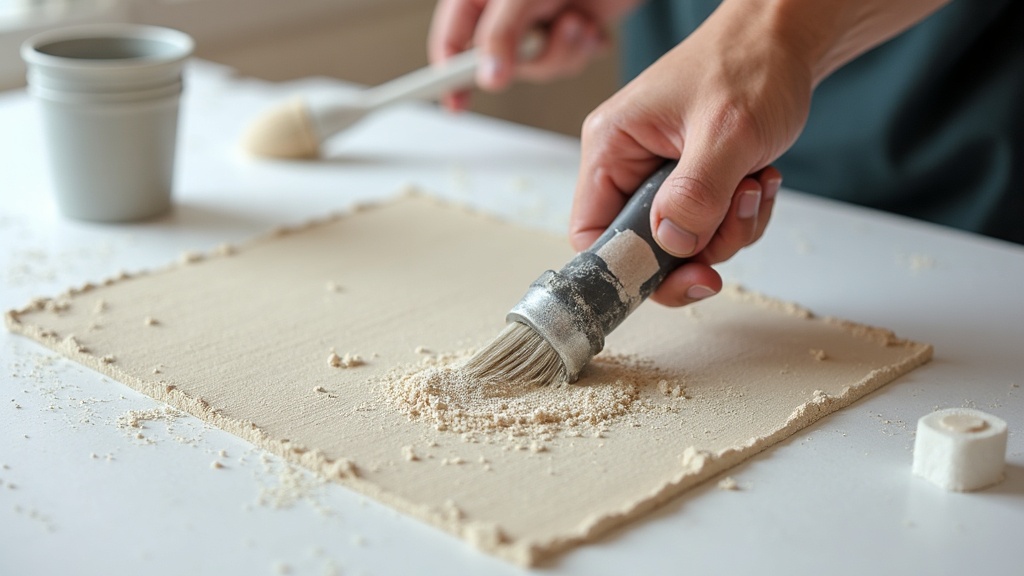
Groutmixing Guide for Perfect Tile Joints
Master your next tile project with our detailed groutmixing guide. Learn the exact water ratios, slaking times, and proper techniques for flawless results.
Table of Contents
- Preparing the Workspace and Materials
- The Core Groutmixing Guide Process
- Slaking and Final Consistency
- Environmental Factors and Batch Management
For more about Groutmixing guide, see read the full guide on groutmixing guide.
Key Takeaway
A groutmixing guide is a structured methodology for combining powdered mortar and water to achieve optimal structural integrity. Proper execution prevents lumps, ensures correct curing, and guarantees long-lasting tile joints by strictly adhering to specific slaking times and water ratios.
Market Snapshot
Groutmixing guide principles form the foundation of any successful tile installation. Whether you are working with sanded grout or unsanded grout, the initial blending phase dictates the final curing time and structural integrity of the tile joints. Many DIY enthusiasts and professionals alike rush this step, leading to weak bonds and premature cracking. This comprehensive grout preparation guide breaks down the exact science behind hydrating cementitious mortar. We will explore the critical water ratio, the importance of slaking time, and the mechanical action required to eliminate lumps. By following these grout mixing instructions, you ensure a smooth peanut butter consistency that adheres perfectly to your substrate. Read on to discover how proper surface preparation and tool selection can transform your next project.
Preparing the Workspace and Materials
Proper surface preparation and material selection dictate the final quality of your tile joints. Before opening any bags of powdered grout, ensure your mixing bucket and tools are entirely free of debris. Residual dried mortar from previous jobs can introduce contaminants that weaken the new batch. Gather a sturdy margin trowel, a clean mixing bucket, and a reliable drill paddle if you are using mechanical agitation. For large-scale commercial projects, contractors often upgrade to high-shear colloidal mixing equipment to ensure complete particle dispersion.
Selecting the right batch size is equally critical. Attempting to blend too much material at once reduces the mechanical action applied to each particle, resulting in dry pockets. It is always better to mix multiple small batches than to risk a compromised single large batch. Ensure you have access to clean water, as impurities can alter the chemical reaction of the cementitious mortar. Finally, verify that your ambient room temperature is within the manufacturer’s recommended range before beginning any grout blending tips or procedures.
The Core Groutmixing Guide Process
Executing the physical blend requires strict adherence to timing and water ratios to activate the cementitious mortar. The most common mistake during this phase is adding all the liquid at once. Instead, start by adding 3/4 of total water needed to the mixing bucket before introducing the dry powder (The Home Depot, 2025)[1]. This prevents the formation of a dry crust at the bottom of the bucket. As the drill paddle rotates, gradually incorporate the remaining liquid until the mixture reaches the desired viscosity.
According to technical documentation, you must “Use clean, potable water in the correct ratio for the batch size” (SpecChem, 2025)[2]. Adding too much liquid will weaken the final cure, while too little will prevent proper hydration. Once the initial integration is complete, you must “Mix the grout for at least 3-4 minutes” (SpecChem, 2025)[2]. This sustained mechanical action breaks down agglomerations and ensures every grain of powdered grout is fully encapsulated in water. Following this mixing grout tutorial precisely guarantees a uniform chemical reaction throughout the entire batch.
Slaking and Final Consistency
Allowing the blended mortar to rest is a non-negotiable step that activates chemical bonding agents. Once the initial blending is complete, stop the drill and let the mixture sit. You should “Allow grout to sit undisturbed for up to 10 minutes. This allows grout to strengthen or “slake.”” (The Home Depot, 2025)[1]. During this slaking time, the polymers and cement particles fully absorb the moisture, which drastically improves the working pot life and final adhesion. Skipping this rest period is a primary cause of powdery, weak tile joints.
After the rest period, remix the batch briefly without adding any extra liquid. At this stage, evaluate the texture. “The consistency of grout should resemble smooth peanut butter” (The Home Depot, 2025)[1]. If it is too stiff, it will not press deeply into the joints; if it is too runny, it will shrink and crack upon drying. Finally, inspect the mixture closely because “You should keep mixing grout until there are no lumps” (Rubi Blog USA, 2025)[4]. A perfectly homogenous paste ensures seamless grout mixing execution.
Environmental Factors and Batch Management
Ambient temperature and batch sizing profoundly impact the pot life and structural integrity of the installed mortar. Environmental conditions dictate how quickly the cementitious mortar begins to set. In colder climates, the chemical hydration process slows down significantly. Industry guidelines establish a strict temperature threshold, noting that materials should not be handled when temperatures drop below 4 °C (40°F) (Big League Construction Services, 2025)[3]. Conversely, high heat and low humidity will accelerate the curing time, forcing you to work much faster.
To manage these variables, adjust your batch size accordingly. When working in warm conditions or tackling expansive floors, rely on small batches to prevent the material from hardening in the bucket before application (The Home Depot, 2025)[1]. For those seeking deeper technical knowledge on material behavior, reviewing cementitious material standards provides valuable insights into how temperature affects structural integrity. Proper environmental management, combined with rigorous groutmixing guide protocols, ensures that epoxy grout and traditional cement blends perform flawlessly regardless of the weather.
Questions from Our Readers
How long should I mix the powdered grout initially?
The initial blending phase requires sustained mechanical agitation to properly hydrate the cementitious mortar. Most manufacturers and technical guidelines recommend operating your drill paddle for a minimum of three to four minutes. This duration ensures that the water fully penetrates the dry powder, breaking up any hidden clumps at the bottom of the mixing bucket. Rushing this step leaves dry pockets that will later cause weak spots in your tile joints. Always scrape the sides of the bucket with a margin trowel during this process to incorporate all material evenly before proceeding to the crucial resting phase.
What happens if I skip the slaking time?
Skipping the slaking time prevents the polymers and cement particles from fully absorbing the moisture. This incomplete hydration leads to a weaker chemical bond, resulting in tile joints that are prone to cracking, shrinking, and crumbling over time. The rest period allows the mixture to thicken naturally and develop its structural integrity without the need for additional liquid. If you bypass this step and apply the material immediately, you will likely experience poor adhesion and a significantly reduced pot life, compromising the entire tile installation and forcing costly future repairs.
Can I add more water if the mixture becomes too thick?
Adding extra liquid after the initial blending and slaking phases is highly discouraged. Introducing more water at this stage disrupts the established water ratio, weakening the final cure and increasing the likelihood of shrinkage cracks. If your mixture appears too stiff after the rest period, it is usually a sign that the initial measurements were incorrect or the environment is too dry. The best practice is to discard the overly thick batch and start a fresh one, strictly measuring the clean water and powdered grout to achieve the ideal smooth peanut butter consistency.
What is the best batch size for large tile installations?
For large tile installations, managing your batch size is critical to maintaining a consistent workflow. You should only mix as much material as you can comfortably apply within the product’s specified pot life, which is typically thirty to forty-five minutes. Mixing overly large volumes increases the risk of the mortar hardening in the bucket before it reaches the floor. By preparing smaller, manageable amounts, you ensure that every section of your tile joints receives freshly blended, fully hydrated material, ultimately resulting in a more uniform and durable finish across the entire surface.
Comparing Blending Methods
Choosing the right blending method significantly influences the final quality of your tile joints. Different tools offer varying levels of shear force, which dictates how thoroughly the dry powder integrates with the liquid. Below is a breakdown of the three primary methods used in modern tile installation.
| Method | Shear Force | Best Application |
|---|---|---|
| Hand Mixing | Low | Tiny repair jobs and unsanded grout |
| Standard Drill Mixing | Medium | Residential bathrooms and standard sanded grout |
| Colloidal High-Shear Mixing | High | Large commercial floors and epoxy grout |
Hand mixing with a margin trowel is only suitable for very small repairs. Standard drill mixing provides adequate agitation for most residential projects. However, for demanding commercial environments, upgrading to industrial grout blending solutions ensures complete particle dispersion and eliminates micro-lumps.
Practical Tips for Success
Mastering the physical technique requires attention to detail and consistent habits. Implement these actionable strategies to elevate your next project.
- Always add the dry powder to the water, never the reverse, to prevent dry clumps from forming at the bottom of the bucket.
- Use a low-speed drill (under 300 RPM) to avoid whipping air bubbles into the cementitious mortar, which weakens the final cure.
- Keep a damp sponge nearby to immediately clean your drill paddle and mixing bucket before the residual material hardens.
- Measure your clean water using a graduated container rather than estimating, as even a slight deviation in the water ratio alters the structural integrity.
Consistent execution of these grout blending tips transforms amateur attempts into professional-grade results. Proper tool maintenance and precise measurements are the hallmarks of experienced installers who consistently deliver flawless tile joints.
Final Thoughts on the Groutmixing Guide
Achieving perfect tile joints relies entirely on respecting the chemical and mechanical principles outlined in this groutmixing guide. From measuring the precise water ratio to honoring the critical slaking time, every step builds toward a durable, crack-free finish. Ignoring these foundational grout mixing instructions inevitably leads to structural failures and costly rework. By investing in the right tools and following proven methodologies, you guarantee long-lasting results for any tile installation. To upgrade your equipment for your next major project, explore our specialized mixing machinery to ensure flawless material dispersion every time.
Learn More
- How to Mix Grout. The Home Depot.
https://www.homedepot.com/c/ah/how-to-mix-grout/9ba683603be9fa5395fab9012db933cb - Mastering Cementitious Grout Applications: A Comprehensive Guide. SpecChem.
https://specchem.com/resources/mastering-cementitious-grout-applications-a-comprehensive-guide/ - Best Practices for Cementitious Grout Preparation and Placement. Big League Construction Services.
https://bigleaguecs.com/best-practices-for-cementitious-grout-preparation-and-placement/ - How to Mix Grout Perfectly Every Time. Rubi Blog USA.
https://www.rubi.com/us/blog/how-to-mix-grout/