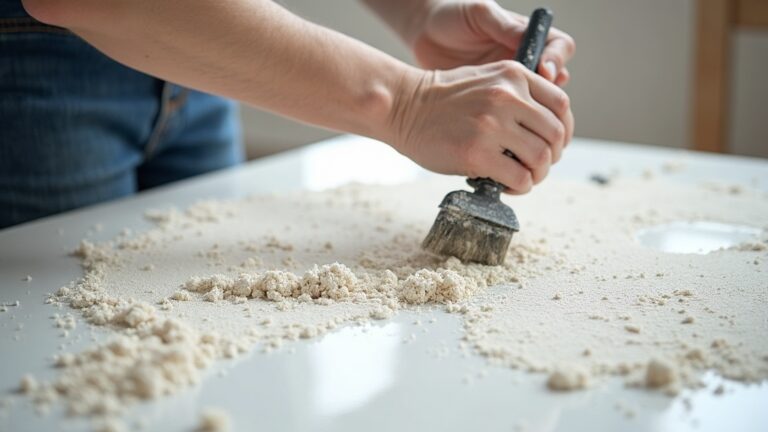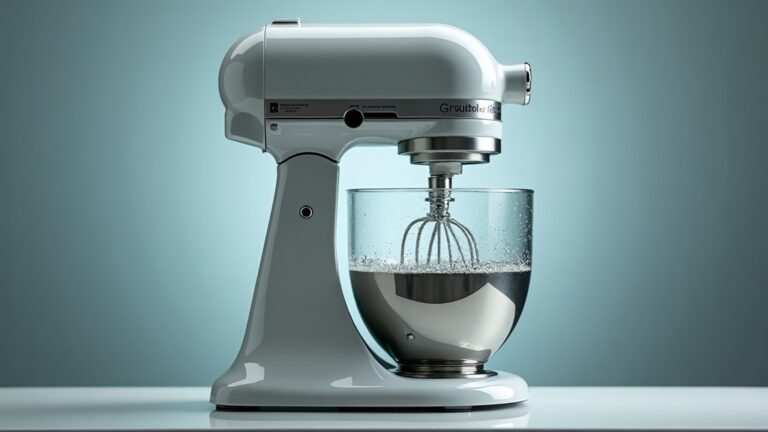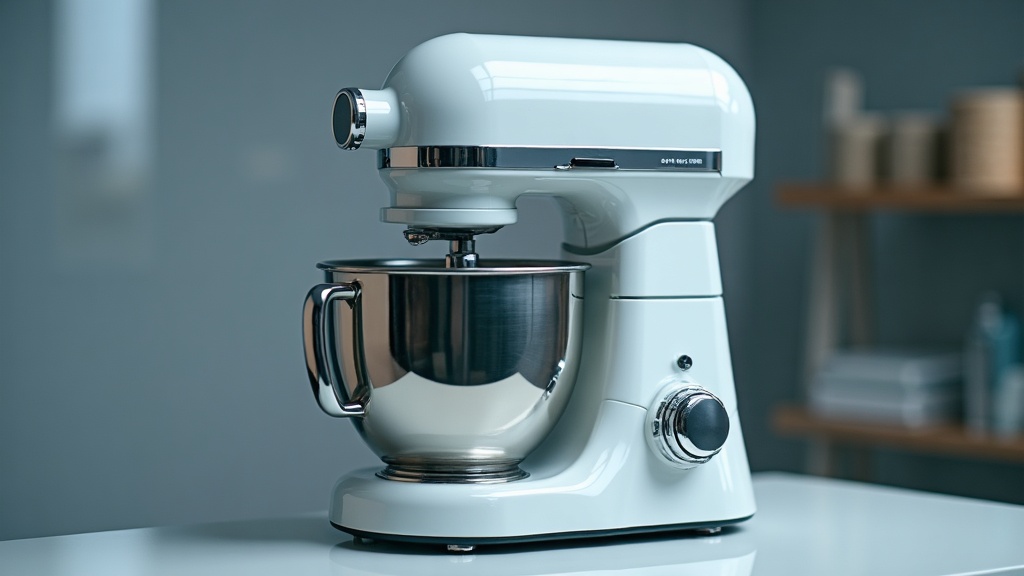
The Ultimate Colloidal Grout Mixer Guide for Construction
Discover the essential colloidal grout mixer guide for construction projects. Learn about high-shear mixing, cement grout quality, and equipment selection.
Table of Contents
- Key Takeaway
- Market Snapshot
- Introduction
- Understanding High-Shear Mixing Technology
- Equipment Sizing for Your Colloidal Grout Mixer
- Comparing Colloidal and Paddle Mixers
- Applications in Civil Engineering
- Important Questions About Colloidal Grout Mixers
- Method Comparison
- Practical Tips
- The Bottom Line
Key Takeaway

This colloidal grout mixer guide is a comprehensive resource detailing high-shear mixing equipment used to produce stable cement grouts. This overview covers rotor-stator mill mechanics, equipment sizing, and the critical advantages of achieving pumpable consistency for large-scale civil engineering and foundation projects.
Market Snapshot
- Grout produced with high-shear mixing showed 50 percent lower bleed than paddle-mixed grout (SIMEM Underground, 2016)[1].
- High-shear mixing increased unconfined compressive strength by 20 percent compared to conventional methods (SIMEM Underground, 2016)[1].
- True colloidal mills typically run the rotor at 3,000 revolutions per minute to create sufficient shear (Colcrete Ltd, 2020)[2].
- Mixers can produce cement grouts with water-to-cement ratios as low as 0.4 by mass while retaining pumpable consistency (GEOSYSTEMS, L.P., 2021)[3].
Introduction
This colloidal grout mixer guide provides essential insights into the machinery that transforms basic cement and water into highly stable, pumpable slurries. In modern construction, the quality of cement grout directly impacts the structural integrity of dams, tunnels, and deep foundations. Traditional paddle mixers often struggle to fully wet cement particles, leading to segregation and bleed. By contrast, high-shear mixing technology utilizes intense mechanical energy to break down particle agglomerates. This results in a uniform suspension that maintains its consistency over long pumping distances. In this guide to colloidal grout mixers, we will explore the mechanics of the rotor-stator mill, examine critical equipment specifications, and compare different mixing approaches. Whether you are planning a large civil project or upgrading your current grout plant, understanding these principles ensures optimal mix quality and operational efficiency. Read on to master the fundamentals of grout preparation.
Understanding High-Shear Mixing Technology
High-shear mixing technology relies on intense mechanical forces to achieve complete cement dispersion. A standard colloidal grout mixer uses a high-speed rotor-stator mill to apply intense shear energy to the cement-water slurry, breaking up particle agglomerates and producing a very fine, stable grout that can be pumped over long distances (AMIX Systems, 2023)[4]. This process is fundamentally different from simple agitation. When water and cement are combined, the cement particles tend to clump together, forming dry cores that weaken the final cured structure. The rotor-stator mechanism forces the slurry through narrow gaps at high velocities, effectively tearing these clumps apart. As noted in our detailed equipment overview, achieving this level of dispersion requires precise engineering. The intense shearing action not only breaks down agglomerates but also fully wets the cement particles, which is essential for achieving consistent, pumpable grout. Furthermore, the high-speed rotation creates a powerful vortex in the tank that continuously recirculates the grout through the colloidal mill, ensuring the mix remains homogeneous and resistant to settlement during storage and pumping (Penndrill Company, 2022)[5]. This continuous recirculation prevents the heavier sand or cement particles from sinking to the bottom of the tank. Consequently, the resulting slurry exhibits negligible sand segregation during pumping. Engineers specify this technology when project parameters demand strict control over bleed and structural strength. The mechanical energy input directly correlates with the stability of the final product, making the selection of a true colloidal mill paramount for critical infrastructure. Without this intense mechanical action, the slurry would separate, compromising the structural integrity of the grouted foundation or tunnel lining.
Equipment Sizing for Your Colloidal Grout Mixer
Proper equipment sizing ensures continuous production without starving the downstream pumps. Modern colloidal grout mixers designed for construction grouting commonly use drive motors in the range of 15 to 30 horsepower, depending on tank volume and required output (AMIX Systems, 2023)[4]. The motor size must be matched to the viscosity of the slurry and the desired production rate. For large civil projects such as dams and tunnels, a properly sized unit paired with an agitated holding tank is critical; it allows continuous production of high-shear mixed grout so the pumps are never starved and mix quality is maintained throughout the shift (ChemGrout Inc., 2019)[6]. Tank capacities typically range between 13 and 40 cubic feet for most civil engineering applications, allowing continuous batching and transfer to holding tanks (ChemGrout Inc., 2019)[6]. This batching volume dictates the cycle time. Mixers used for cement grouts in dam foundation treatment typically mix each batch for not less than 2 minutes to achieve full dispersion of cement particles (GEOSYSTEMS, L.P., 2021)[3]. A typical high-shear plant for dam or tunnel work is rated for grout outputs on the order of 11 cubic yards of grout per hour (ChemGrout Inc., 2019)[6]. When planning a grout plant layout, engineers must calculate the total volume required per hour and select a mixer that can meet this demand while respecting the minimum mixing time. Undersizing the equipment leads to rushed batches, incomplete dispersion, and ultimately, a weaker grout structure. Therefore, matching the motor horsepower, tank volume, and pump capacity is a fundamental step in system design. Consulting manufacturer specifications helps verify these operational thresholds.
Comparing Colloidal and Paddle Mixers
The choice between high-shear and conventional mixing methods significantly impacts the physical properties of the cured grout. High-shear colloidal mixers are generally recognized as producing higher-quality cement grouts than conventional paddle mixers because they create a more stable, uniform suspension with reduced bleed and segregation (GEOSYSTEMS, L.P., 2021)[3]. Paddle mixers rely on simple folding and turning motions, which are insufficient for breaking apart tightly bound cement agglomerates. As a result, paddle-mixed slurries often exhibit visible segregation and settlement within 30 minutes of standing (SIMEM Underground, 2016)[1]. In contrast, colloidally mixed cement slurries demonstrate negligible sand segregation during pumping under the same observation period (SIMEM Underground, 2016)[1]. The difference in bleed is equally striking. In cemented rockfill trials, grout produced with a colloidal mixer showed approximately 50 percent lower bleed compared with grout produced in a paddle mixer under the same conditions (SIMEM Underground, 2016)[1]. Lower bleed means less water separates from the cement matrix, resulting in a denser, less permeable final structure. Furthermore, high-shear mixing of cemented rockfill slurry increased unconfined compressive strength by up to 20 percent compared with slurry produced by conventional paddle mixing (SIMEM Underground, 2016)[1]. This strength increase is vital for load-bearing applications. While paddle mixers are cheaper and adequate for simple, non-structural void filling, they cannot meet the stringent performance criteria required for critical infrastructure. Understanding these performance gaps is a core component of any comprehensive colloidal grout mixer guide. Engineers must weigh the initial equipment cost against the long-term structural benefits of superior mix quality.
Applications in Civil Engineering
Civil engineering projects demand rigorous standards for ground stabilization and structural support. The application of high-shear mixed grout is prevalent in dam foundation treatment, tunnel lining, and deep soil mixing. In these environments, the grout must travel long distances through narrow rock fractures or soil voids without losing its homogeneity. High-shear colloidal mixers can produce cement grouts with water-to-cement ratios as low as 0.4 by mass while retaining pumpable consistency, compared with higher ratios typically required for paddle-mixed grouts (GEOSYSTEMS, L.P., 2021)[3]. A lower water-to-cement ratio yields a stronger, more durable grout with reduced shrinkage. For tunneling operations, the grout must set predictably and provide immediate ground support. The uniform dispersion achieved by a rotor-stator mill ensures that chemical accelerators or retarders are evenly distributed throughout the batch. This predictability is crucial when working in sensitive environments where premature setting or excessive bleed could cause ground heave or void collapse. For further reading on ground improvement techniques, you can explore this comprehensive geotechnical engineering resource provided by federal transportation authorities. In dam remediation, the grout must penetrate microscopic fissures in the bedrock to create a watertight curtain. Only fully dispersed, low-bleed grouts can achieve this level of penetration without clogging the injection lines. Additionally, the continuous production capabilities of modern grout plants ensure that large-volume pours are completed without cold joints. By maintaining a steady supply of high-quality slurry, contractors can adhere to strict project timelines while meeting all engineering specifications. The reliability of the mixing equipment directly translates to the success of the civil project. Proper application techniques further enhance the effectiveness of the injected material.
Important Questions About Colloidal Grout Mixers
What is the main advantage of using a high-shear mixer?
The primary advantage is the production of a highly stable, uniform suspension. By subjecting the slurry to intense shearing action, the equipment breaks down cement agglomerates and fully wets the particles. This results in significantly lower bleed and reduced segregation compared to conventional methods. The final grout exhibits higher unconfined compressive strength and can be pumped over long distances without separating. This stability is essential for critical infrastructure projects where structural integrity and predictable curing times are mandatory for success. Furthermore, the ability to use lower water-to-cement ratios while maintaining pumpability leads to a denser, less permeable cured structure, enhancing the overall durability of the foundation or tunnel lining.
How long should a batch be mixed in a colloidal mill?
Mixing times depend on the specific project requirements and the equipment’s capacity, but standard protocols dictate a minimum duration to ensure complete dispersion. For critical applications like dam foundation treatment, industry guidelines recommend mixing each batch for not less than two minutes. This duration allows the high-speed rotor-stator mechanism to thoroughly break apart all particle clumps and create a powerful recirculating vortex. Rushing the mixing cycle compromises the slurry’s homogeneity, leading to potential weak points in the cured grout and increased risk of pump line blockages. Contractors must strictly adhere to these minimum timeframes, verifying the cycle duration with automated timers or trained operators to guarantee consistent mix quality across every batch produced during the shift.
Can colloidal mixers handle low water-to-cement ratios?
Yes, this equipment is specifically designed to handle thick, low-moisture slurries that would stall a standard paddle mixer. The intense mechanical energy allows the production of cement grouts with water-to-cement ratios as low as 0.4 by mass while retaining a fully pumpable consistency. The shearing action forces the limited water to completely coat every cement particle, preventing the formation of dry, unhydrated cores. This capability is crucial for applications requiring high structural strength and minimal shrinkage, as excess water is the primary cause of bleed, void formation, and reduced compressive strength in cured cement structures. By minimizing the water content, engineers achieve a denser matrix that provides superior load-bearing capacity and long-term resistance to environmental degradation.
Why is an agitated holding tank necessary for large projects?
An agitated holding tank acts as a crucial buffer between the high-shear mixer and the injection pumps. While the colloidal mill produces the grout in discrete batches, the injection pumps require a continuous, uninterrupted flow of material to maintain steady pressure in the ground. The holding tank stores the mixed slurry and uses gentle agitation to prevent settlement while the next batch is being prepared. Without this buffer, the pumps would frequently starve for material, causing pressure drops in the borehole and potentially compromising the grout curtain’s continuity and overall effectiveness. This continuous supply chain ensures that large-volume civil projects proceed smoothly without costly delays or structural weaknesses caused by interrupted injection cycles.
Method Comparison
Selecting the right mixing approach dictates the success of a grouting operation. The choice primarily hinges on the required structural performance and the specific site conditions. Below is a comparison of the two primary mixing methods used in modern construction.
| Feature | High-Shear Colloidal Mixer | Conventional Paddle Mixer |
|---|---|---|
| Mixing Action | Intense rotor-stator shear | Simple folding and turning |
| Bleed Reduction | Up to 50% lower bleed | Higher water separation |
| Compressive Strength | Up to 20% increase | Standard baseline strength |
| Segregation Risk | Negligible during pumping | Visible within 30 minutes |
| Best Application | Dams, tunnels, deep foundations | Simple void filling |
Evaluating these differences helps contractors align their equipment choices with the stringent demands of a comprehensive colloidal grout mixer guide.
Practical Tips
Operating high-shear equipment efficiently requires attention to detail and routine maintenance. First, always verify the motor horsepower and tank capacity match your project’s hourly output requirements. Undersized units will force operators to rush batches, compromising dispersion. Second, strictly enforce the minimum mixing time for every batch. Use automated timers to ensure the slurry circulates through the mill long enough to break down all agglomerates. Third, regularly inspect the rotor and stator components for wear. The intense friction inherent in high-shear mixing gradually degrades these parts, reducing the shear energy transferred to the slurry. Replacing worn components promptly maintains optimal mix quality. Fourth, always pair the mixer with an appropriately sized agitated holding tank to ensure a continuous supply to the pumps. For more insights on equipment maintenance, review our latest updates on site operations. Finally, monitor the water-to-cement ratio closely. Adding excess water to improve flow defeats the purpose of high-shear mixing and weakens the final structure. Rely on the mechanical energy of the mill to achieve pumpability, not extra water. Following these practices ensures reliable performance.
The Bottom Line
Mastering the principles outlined in this colloidal grout mixer guide is essential for delivering high-quality civil engineering projects. High-shear technology transforms basic cement slurries into stable, high-strength materials capable of penetrating deep rock fractures and supporting massive structural loads. By selecting properly sized equipment, enforcing strict mixing times, and understanding the mechanical advantages of a rotor-stator mill, contractors can significantly reduce bleed and prevent segregation. The long-term durability of dams, tunnels, and foundations relies on this precise preparation. Explore more advanced grouting strategies and equipment reviews on colloidalmixers.com to optimize your next construction operation.
Learn More
- Development of Colloidal Mixer Based CRF Systems. SIMEM Underground.
https://simemug.com/wp-content/uploads/Development-of-Colloidal-Mixer-Based-CRF-Systems.pdf - Mixing & Pumping Equipment – Product Guidance. Colcrete Ltd.
https://colcreteltd.com/products/ - Equipment for Cement Grouting: An Overview. GEOSYSTEMS, L.P.
https://www.geosystemsbruce.com/v20/biblio/z155%20Equipment%20for%20Cement%20Grouting%20-%20An%20Overview.pdf - Construction Grout Mixer: Complete Selection Guide. AMIX Systems.
https://amixsystems.com/construction-grout-mixer/ - What is High Shear Colloidal Mixer Technology? Penndrill Company.
https://penndrill.com/what-is-high-shear-colloidal-mixer-technology/ - ChemGrout CG-600 Colloidal Grout Plant – Product Description. ChemGrout Inc.
https://www.chemgrout.com/product-category/colloidal-mixing-equipment/
For more about Colloidalgroutmixer guide, see Colloidalgroutmixer Guide.