The Ultimate Concrete Grout Guide for Builders
Discover the ultimate concrete grout guide for construction projects. Learn about mixing, application, and curing techniques to ensure structural integrity.
Table of Contents
- Understanding Cementitious Slurry Formulations
- Advanced Mixing Technologies and Equipment
- Application Methods and Concrete Grout Techniques
- Curing, Testing, and Quality Assurance
- Your Most Common Questions
- Method Comparison
- Practical Tips
- Wrapping Up
Key Takeaway
A concrete grout guide provides a comprehensive framework for selecting, mixing, and applying cementitious slurries in construction. Proper execution of these techniques ensures optimal fluidity, compressive strength, and long-term structural integrity for diverse civil engineering and commercial building applications. This resource outlines critical steps for achieving durable results.
The principles outlined in a concrete grout guide form the foundation of modern structural repair and void filling. When engineers and contractors need to stabilize soil, anchor heavy machinery, or seal fractures in existing structures, they rely on specialized cementitious materials. Understanding the rheology and hydration process of these mixtures is critical for project success. This article explores the essential elements of formulating and deploying these slurries, highlighting the importance of precise water-cement ratio control and appropriate aggregate size selection. By mastering these fundamentals, construction professionals can significantly enhance the load-bearing capacity and permeability resistance of their projects. We will cover the core types of injection methods, the role of advanced mixing equipment, and best practices for curing. This overview provides the technical insights needed to achieve superior shear strength and durability across all project types.
Understanding Cementitious Slurry Formulations
The effectiveness of any grouting operation begins with a precise understanding of cementitious materials and their chemical interactions. A well-formulated slurry mixture relies on a delicate balance between solid particles and liquid components to achieve the desired flow and final hardness. The water-cement ratio is arguably the most critical variable in this equation. Too much water increases fluidity but severely compromises the final compressive strength and introduces excessive bleed water, which can leave voids within the hardened matrix. Conversely, a mixture that is too dry will fail to penetrate fine soil pores or narrow structural fractures.
To optimize performance, engineers frequently incorporate specific admixtures into the blend. Superplasticizers, for instance, enhance flowability without requiring additional water, thereby maintaining the structural integrity of the cured material. Retarders and accelerators are also utilized to control the hydration process, ensuring the slurry remains workable during transport and placement while setting predictably once installed. When consulting a detailed guide to concrete grout, professionals learn that selecting the correct aggregate size is equally vital. Finer aggregates are necessary for permeation grouting in tight soil matrices, while coarser sands are suitable for bulk void filling. Understanding these material science fundamentals allows contractors to tailor their formulations to the unique demands of each specific job site, ensuring reliable performance under varying environmental conditions.
Furthermore, ambient temperature heavily influences the chemical reactions within the slurry. High temperatures accelerate setting time, potentially causing the mixture to harden before full penetration. Adjusting the admixture profile becomes essential to maintain adequate working time and ensure the material reaches its intended destination.
Advanced Mixing Technologies and Equipment
The Role of High-Shear Mixing
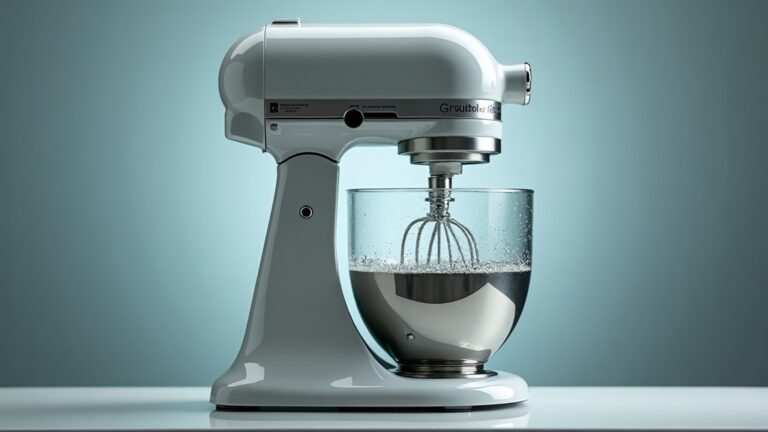
Achieving a homogeneous slurry mixture requires specialized equipment capable of generating high shear forces to eliminate clumps and ensure uniform particle dispersion. Standard paddle mixers often fail to fully wet the cement particles, leading to agglomerations that weaken the final structure. This is where a colloidal mixer proves indispensable. By operating at exceptionally high rotational speeds, these machines create intense turbulence and cavitation, effectively breaking down particle clusters and forcing water into the microscopic pores of the cement grains.
The result is a highly stable, low-viscosity fluid that exhibits superior penetration capabilities. For those reviewing introductory colloidal mixer concepts, it becomes clear that the mechanical energy imparted to the mixture directly correlates with its rheological properties. A properly mixed slurry will not separate or bleed excessively, even when subjected to the high pressures required for deep injection grouting. This stability is crucial for maintaining consistent density and strength throughout the entire installed volume.
When following a comprehensive concrete grouting guide, equipment selection is always prioritized alongside material selection. The mechanical seals, stator, and rotor design of high-shear mixers must be robust enough to handle the abrasive nature of cementitious materials without suffering premature wear. Regular maintenance and calibration of the mixing equipment ensure that the rotational speeds remain consistent, guaranteeing that every batch produced meets the exact specifications required by the project engineers. Investing in high-quality mixing technology ultimately reduces material waste, minimizes equipment downtime, and delivers a superior finished product that meets rigorous engineering standards.
Additionally, modern setups often include inline flow meters and density gauges, allowing operators to monitor slurry properties in real time. This immediate feedback loop enables on-the-fly adjustments, ensuring the final product remains within strict project tolerances.
Application Methods and Concrete Grout Techniques
Selecting the appropriate injection methodology is paramount for addressing specific subsurface conditions and structural requirements. The three primary techniques utilized in the industry are permeation, compaction, and injection grouting, each serving a distinct purpose based on the soil mechanics and structural goals of the project. Permeation grouting involves injecting a low-viscosity slurry into the pore spaces of soil without disturbing its original structure. This method is ideal for increasing the shear strength and reducing the permeability of sandy or gravelly soils, effectively turning loose ground into a solid, rock-like mass.
Compaction grouting, on the other hand, utilizes a highly viscous, low-slump mortar that is injected under high pressure to displace and densify the surrounding soil. This technique is frequently employed to lift settled foundations or stabilize sinkholes by physically pushing the soil particles closer together. When referencing a detailed concrete and grout guide, engineers note that compaction grouting requires careful pressure monitoring to prevent hydraulic fracturing of the overlying strata. The equipment used for this method must be capable of generating immense pumping forces while maintaining a steady, controlled flow rate.
Injection grouting is a broader category that encompasses filling large voids, sealing cracks in existing concrete structures, and anchoring heavy machinery. Adhering to American Concrete Institute standards ensures that the materials and pressures used are appropriate for the specific structural demands of the application. Whether sealing a leaking dam or anchoring a massive turbine base, the injection process must be meticulously planned to ensure complete void filling without causing unintended structural displacement. Understanding the nuanced differences between these methods allows contractors to deploy the most effective solution for any given geotechnical challenge.
Furthermore, employing a primary, secondary, and tertiary hole pattern ensures the grout penetrates uniformly throughout the target zone, leaving no untreated pockets behind.
Curing, Testing, and Quality Assurance
Post-application curing and rigorous quality control testing dictate the ultimate compressive strength and longevity of the installed material. The hydration process does not stop once the slurry is pumped into the ground or formwork; it requires specific environmental conditions to proceed optimally. Adequate curing time is essential to prevent moisture loss, which can lead to surface cracking and a significant reduction in the final load-bearing capacity. In hot or windy conditions, contractors must employ curing compounds or physical covers to retain moisture within the matrix during the critical early stages of hardening.
Quality assurance begins long before the curing phase, with continuous testing of the fresh slurry. Field technicians routinely measure fluidity using flow cones and assess the density with mud balances to ensure the mixture aligns with the approved grout for concrete guide specifications. Once the material has hardened, core drilling and laboratory testing are conducted to verify the compressive strength and structural integrity of the installed grout. These physical samples provide empirical proof that the material meets the rigorous demands of the project design.
Non-destructive testing methods, such as ground-penetrating radar and seismic refraction, are also increasingly utilized to evaluate the subsurface distribution and density of the cured material without the need for invasive coring. For professionals seeking additional uncategorized colloidal mixer resources, understanding how mixing efficiency impacts these final test results is a key area of study. A well-mixed, properly cured grout will exhibit uniform density and consistent strength profiles across all tested samples. By integrating stringent testing protocols at every stage of the process, from initial batching to final curing, engineering teams can confidently guarantee the performance and durability of their grouting installations.
Ultimately, documenting every batch, injection pressure, and volume pumped creates a comprehensive quality record that satisfies regulatory requirements and provides valuable data for future structural assessments.
Your Most Common Questions
What is the ideal water-cement ratio for high-strength applications?
The ideal water-cement ratio for high-strength applications typically ranges between 0.35 and 0.45 by weight. Maintaining a lower ratio minimizes capillary pores, directly enhancing compressive strength and reducing permeability. However, reducing water decreases fluidity. To counteract this, engineers utilize superplasticizing admixtures that disperse cement particles efficiently, allowing for high flowability without excess water. This balance ensures proper placement while achieving maximum structural integrity.
How does a colloidal mixer improve slurry fluidity?
A colloidal mixer improves slurry fluidity by generating intense high-shear forces that completely break down cement agglomerations. Standard mixers often leave dry clumps that increase viscosity. By operating at high rotational speeds, the mixer creates cavitation, forcing water into the microscopic pores of the cement grains. This results in a highly stable, low-viscosity slurry that flows easily through narrow fractures. The enhanced fluidity allows for deeper penetration and a stronger, more consistent cured material with minimal bleed water.
What is the difference between permeation and compaction grouting?
Permeation grouting involves injecting a low-viscosity slurry into natural soil pores without altering the physical structure. This method binds soil particles, increasing shear strength and reducing permeability. In contrast, compaction grouting utilizes a thick, low-slump mortar injected under high pressure to physically displace and densify surrounding soil. Rather than flowing through pores, the compaction grout forms a solid bulb that pushes soil outward, often lifting settled structures. Permeation stabilizes loose soils, while compaction corrects foundation settlement.
How long does the curing time typically take for cementitious slurries?
The curing time for cementitious slurries varies based on formulation, ambient temperature, and project requirements. Initial set typically occurs within four to eight hours. However, achieving design compressive strength generally requires a minimum of twenty-eight days of continuous curing under optimal moisture conditions. In cold weather, the hydration process slows down, extending the curing time and necessitating accelerating admixtures. Conversely, high temperatures accelerate the reaction, requiring retarders to prevent premature hardening during the injection process.
Method Comparison
Selecting the correct application technique requires understanding how different methods interact with subsurface materials. The following table outlines the primary distinctions between the three most common approaches detailed in any comprehensive concrete grout guide.
| Method | Slurry Viscosity | Primary Mechanism | Best Application |
|---|---|---|---|
| Permeation | Low (High Fluidity) | Fills existing soil pores without displacement | Sandy soils, water sealing |
| Compaction | High (Low Slump) | Displaces and densifies surrounding soil | Lifting foundations, sinkholes |
| Injection | Variable | Fills large voids and structural fractures | Crack sealing, machinery anchoring |
Practical Tips
Executing a successful grouting project requires meticulous planning and strict adherence to best practices. Implementing the following strategies will help ensure optimal results and prevent common pitfalls detailed in any standard concrete grout manual.
- Monitor Ambient Conditions: Always check the weather forecast before batching. High temperatures and low humidity can accelerate the hydration process, requiring adjustments to your admixture profile to maintain adequate working time.
- Calibrate Equipment Daily: Ensure that all flow meters, pressure gauges, and density balances are calibrated at the start of every shift. Accurate readings are essential for maintaining the correct water-cement ratio throughout the operation.
- Conduct Pre-Grouting Water Tests: Before injecting the actual slurry, pump water through the system to verify the integrity of the injection pipes, check for leaks, and estimate the fracture volume of the target zone.
- Maintain Continuous Agitation: Never allow the mixed slurry to sit stagnant in the holding tank. Continuous agitation prevents particle settlement and ensures the material remains homogeneous right up until it is pumped into the ground.
By integrating these practical steps into your daily workflow, you can significantly reduce material waste, avoid equipment blockages, and deliver a high-quality installation that meets all engineering specifications.
Wrapping Up
Mastering the principles outlined in this concrete grout guide is essential for any construction professional aiming to deliver durable, high-performance structural and geotechnical solutions. From selecting the right cementitious materials and utilizing high-shear mixing equipment to choosing the correct injection methodology, every step plays a critical role in the final outcome. Proper curing and rigorous quality assurance further guarantee that the installed material will withstand the test of time and environmental stress. For more in-depth articles and technical insights on advanced mixing technologies, be sure to explore the extensive resources available on colloidalmixers.com.
Useful Resources
- American Concrete Institute. American Concrete Institute standards.
https://www.concrete.org/