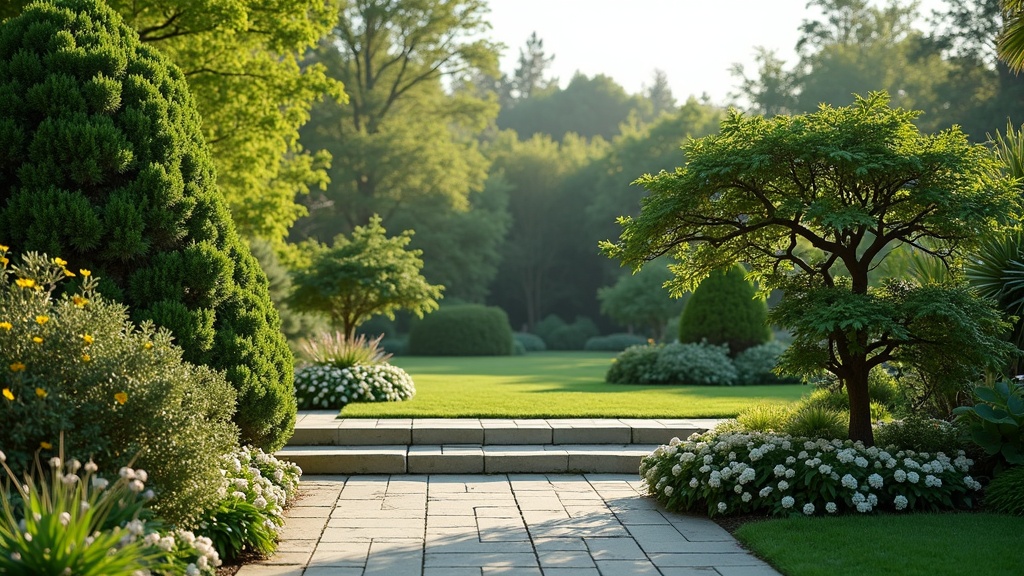
Ornamental trees gardening explained: a complete guide
Learn how ornamental trees gardening explained in this comprehensive guide will help you select, plant, and care for these stunning landscape features that provide year-round beauty and structure to any outdoor space.
Table of Contents
- What Are Ornamental Trees?
- Choosing the Right Tree for Your Garden
- Planting Techniques for Success
- Ongoing Care and Maintenance
- Frequently Asked Questions
- Comparison of Ornamental Tree Types
- Practical Tips for Gardeners
- Key Takeaways
- Useful Resources
Ornamental trees gardening explained is the practice of selecting, planting, and maintaining small to medium-sized trees chosen primarily for their aesthetic appeal. These trees add structure, seasonal colour, and habitat value to gardens, typically growing to over 4 metres in height (Agriculture.Institute, 2025).[1]
Quick Stats: Ornamental Trees Gardening Explained
- Ornamental flowering trees are woody plants with a single, well-defined trunk and typically grow to more than 4 metres in height (Agriculture.Institute, 2025).[1]
- The recommended planting hole for ornamental trees should be twice as wide as the root ball (Plants for All Seasons, 2025).[2]
- Newly planted ornamental trees typically need regular watering until they establish roots, which takes 1 to 2 years (Nature Hills Nursery, 2025).[3]
- Most ornamental trees require fertiliser annually during the first three years of growth (Diacos Nursery & Garden Centre, 2025).[4]
What Are Ornamental Trees?
Ornamental trees gardening explained begins with understanding what these plants are and why they matter. Unlike large shade trees grown primarily for timber or canopy, ornamental trees are cultivated for their visual appeal. They produce flowers, interesting bark, colourful autumn foliage, or unusual growth habits that make them focal points in a landscape. According to Agriculture.Institute (2025), these flowering trees are woody plants with a single, well-defined trunk that typically exceed 4 metres in height and produce flowers and seeds annually.[1]
These trees serve multiple roles in a garden. They can anchor a flower bed, provide a backdrop for lower shrubs, or stand alone as a specimen plant. The best choices offer multi-season interest, meaning they look attractive in spring, summer, autumn, and even winter when their branch structure is visible. One anonymous horticulture contributor from Drost Landscape advises: “Beyond blooms, look for unique bark textures, unusual shapes, and captivating foliage when choosing ornamental trees.”[5]
Common examples include flowering dogwoods, Japanese maples, crabapples, and redbuds. Each species brings something different to the garden, from early spring blossoms to fiery autumn colour. The key is matching the tree’s needs to your site conditions, which is a core principle of ornamental trees gardening explained.
Choosing the Right Tree for Your Garden
Selecting the right ornamental tree starts with evaluating your garden’s conditions. An anonymous horticulture contributor from Diacos Nursery & Garden Centre states: “There are three conditions that you’ll need to get right for your tree to thrive – soil, watering and sunshine.”[4] These three factors form the foundation of successful ornamental trees gardening explained.
Sunlight Requirements
Most ornamental trees need full sun to partial shade, according to Nature Hills Nursery (2025).[3] Full sun means at least six hours of direct sunlight daily. If your garden has heavy shade, choose species like dogwoods or redbuds that tolerate lower light levels. Always observe your planting area throughout the day before making a final decision.
Soil Considerations
Soil type dramatically affects tree health. Ornamental trees prefer well-draining soil rich in organic matter. Heavy clay soils can cause root rot, while sandy soils may dry out too quickly. Conduct a simple soil test to check pH and nutrient levels. Most ornamental trees prefer slightly acidic to neutral soil (pH 6.0 to 7.0).
Size and Maturity
Consider the mature size of the tree before planting. A tree that looks small in a nursery pot may reach 6 to 10 metres at maturity. Planting too close to a house, driveway, or power line creates future problems. Always check the expected height and spread of your chosen species as part of your ornamental trees gardening explained plan.
Planting Techniques for Success
Proper planting is critical for long-term tree health. An anonymous horticulture contributor from Plants for All Seasons advises: “Dig a hole twice as wide and just as deep as the root ball of your ornamental tree.”[2] This simple guideline ensures roots can spread easily into surrounding soil. The recommended planting hole should be just as deep as the root ball (Plants for All Seasons, 2025).[2]
Follow these steps for best results:
- Remove the tree from its container and gently loosen any circling roots.
- Place the tree in the hole so the top of the root ball is level with the ground surface.
- Backfill with native soil, not amended potting mix, to encourage roots to venture outward.
- Water thoroughly after planting to settle the soil and eliminate air pockets.
An anonymous horticulture contributor from Twin Oaks Online notes: “The best time to plant most ornamental trees is either in early spring or late fall.”[6] Planting during these cooler periods reduces transplant shock and gives roots time to establish before extreme weather arrives. This timing is a cornerstone of ornamental trees gardening explained for beginners and experts alike.
Ongoing Care and Maintenance
After planting, consistent care determines whether your ornamental tree thrives or merely survives. Newly planted trees typically need regular watering until they establish roots, which takes 1 to 2 years (Nature Hills Nursery, 2025).[3] During dry spells, deep watering once a week is better than frequent shallow sprinkling.
Mulching and Fertilising
A standard mulch recommendation for ornamental trees is a layer around the base that is 2 to 4 inches thick (Twin Oaks Online, 2025).[6] Mulch conserves moisture, regulates soil temperature, and suppresses weeds. Keep mulch several inches away from the trunk to prevent rot. Most ornamental trees require fertiliser annually during the first three years of growth (Diacos Nursery & Garden Centre, 2025).[4] Use a balanced, slow-release fertiliser in early spring.
Pruning Timing
The preferred pruning window for most ornamental trees is late winter or early spring while they are dormant (Twin Oaks Online, 2025).[6] Pruning during dormancy minimises stress and reduces the risk of disease. Remove dead, damaged, or crossing branches to maintain a strong structure. For flowering trees, research whether they bloom on old wood or new wood, as this affects pruning timing.
Pest and Disease Management
Common issues include aphids, scale insects, and fungal diseases like powdery mildew. Monitor trees regularly and address problems early. Healthy trees are more resistant to pests, so proper watering, fertilising, and pruning are your best defences. For those serious about ornamental trees gardening explained, learning to identify common pests in your region is essential.
Important Questions About Ornamental Trees Gardening Explained
How often should I water a newly planted ornamental tree?
Newly planted ornamental trees typically need regular watering for the first 1 to 2 years until they establish roots (Nature Hills Nursery, 2025).[3] During the first growing season, water deeply once or twice a week depending on rainfall. The goal is to keep the root ball moist but not waterlogged. After the establishment period, most ornamental trees become more drought-tolerant and require watering only during extended dry spells.
What is the best time of year to plant ornamental trees?
The best time to plant most ornamental trees is either in early spring or late fall (Twin Oaks Online, 2025).[6] These cooler periods reduce transplant shock and allow roots to establish before summer heat or winter cold arrives. Spring planting gives the tree a full growing season to settle in, while fall planting takes advantage of dormant root growth. Avoid planting during the heat of summer or when the ground is frozen.
How much sunlight do ornamental trees need?
Most ornamental trees need full sun to partial shade (Nature Hills Nursery, 2025).[3] Full sun means at least six hours of direct sunlight each day. Trees that receive insufficient light may produce fewer flowers, develop weak growth, and become more susceptible to disease. However, some species like dogwoods and redbuds tolerate partial shade well. Always research the specific light requirements of your chosen tree species before planting.
When should I prune ornamental trees?
The preferred pruning window for most ornamental trees is late winter or early spring while they are dormant (Twin Oaks Online, 2025).[6] Pruning during dormancy minimises stress and reduces the risk of pest infestation and disease. For trees that bloom in spring, such as dogwoods and crabapples, prune immediately after flowering to avoid removing next year’s flower buds. Always use clean, sharp tools and make cuts at a slight angle just above a bud or branch collar.
Comparison of Ornamental Tree Types
Different ornamental trees offer different benefits depending on your garden goals. Understanding the key differences helps you make an informed choice. The table below compares four common categories of ornamental trees used in ornamental trees gardening explained.
| Tree Type | Key Feature | Sunlight Needs | Best Season of Interest |
|---|---|---|---|
| Flowering Trees (e.g., Dogwood, Cherry) | Spring blossoms in white, pink, or red | Full sun to partial shade | Spring |
| Foliage Trees (e.g., Japanese Maple) | Vibrant leaf colour, often red or purple | Partial shade to filtered sun | Autumn |
| Bark Trees (e.g., Paperbark Maple) | Peeling or textured bark for winter interest | Full sun | Winter |
| Evergreen Ornamentals (e.g., Dwarf Conifers) | Year-round greenery and structure | Full sun | All seasons |
Practical Tips for Gardeners
Apply these actionable tips to improve your ornamental trees gardening explained results. First, always check your hardiness zone before purchasing a tree. A tree that thrives in a warmer climate may struggle in colder regions. Second, group trees with similar water and sunlight needs together to simplify maintenance. Third, consider the tree’s mature size and root spread to avoid future conflicts with foundations, sidewalks, and underground utilities.
Fourth, use organic mulch like wood chips or shredded bark around the base to retain moisture and suppress weeds. Replenish the mulch layer annually. Fifth, stake young trees only if necessary in windy locations, and remove stakes after one year to allow the trunk to strengthen naturally. Finally, learn to identify common pests and diseases in your area so you can treat problems early. For more detailed guidance on selecting the perfect specimen for your landscape, explore the resources available at ornamental tree selection tips.
For more about Ornamental trees gardening explained, see learn more about ornamental trees gardening explained.
Key Takeaways
Ornamental trees gardening explained is about matching the right tree to the right location and providing consistent care. Choose species suited to your sunlight, soil, and climate conditions. Plant correctly with a wide, shallow hole and water deeply during the establishment period. Mulch, fertilise, and prune at the right times to maintain health and beauty. With proper attention, these trees reward you with years of seasonal interest and become lasting features of your landscape. To continue learning, check out our ai training online resources and amazon ai training guides for more insights on related topics.
Useful Resources
- Ornamental Flowering Trees: Characteristics & Types. Agriculture.Institute.
https://agriculture.institute/floriculture-and-landscaping/ornamental-flowering-trees-characteristics-types/ - Beginner’s guide to Ornamental trees. Plants for All Seasons.
https://www.plantsforallseasons.co.uk/blogs/complete-guide-to-ornamental-trees/beginners-guide-to-ornamental-trees - The Complete Guide To Grafted Trees At Nature Hills Nursery!. Nature Hills Nursery.
https://naturehills.com/blogs/garden-blog/a-complete-guide-how-to-plant-amp-care-for-grafted-ornamentals - A Guide to Ornamental Trees. Diacos Nursery & Garden Centre.
https://diacos.com.au/ornamentals/a-guide-to-ornamental-trees/ - Don’t Miss These Planning Tips: Ornamental Trees. Drost Landscape.
https://www.drostlandscape.com/planning-tips-ornamental-trees/ - How to Plant and Care for Ornamental Trees. Twin Oaks Online.
https://twinoaksonline.com/blog/how-to-plant-and-care-for-ornamental-trees/